






GCC Economies To Expand In 2025 - AI Boom- FAB
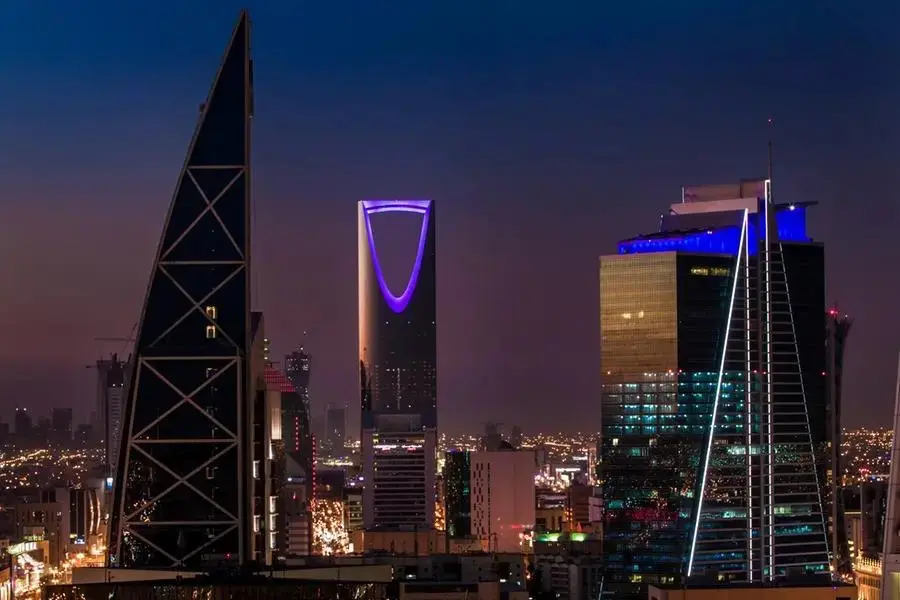
Gulf Cooperation Council (GCC) countries are expected to surpass global economic growth projections in 2025, spurred by progress in economic diversification strategies, non-oil growth, and the artificial intelligence (AI) boom.
GCC economic growth
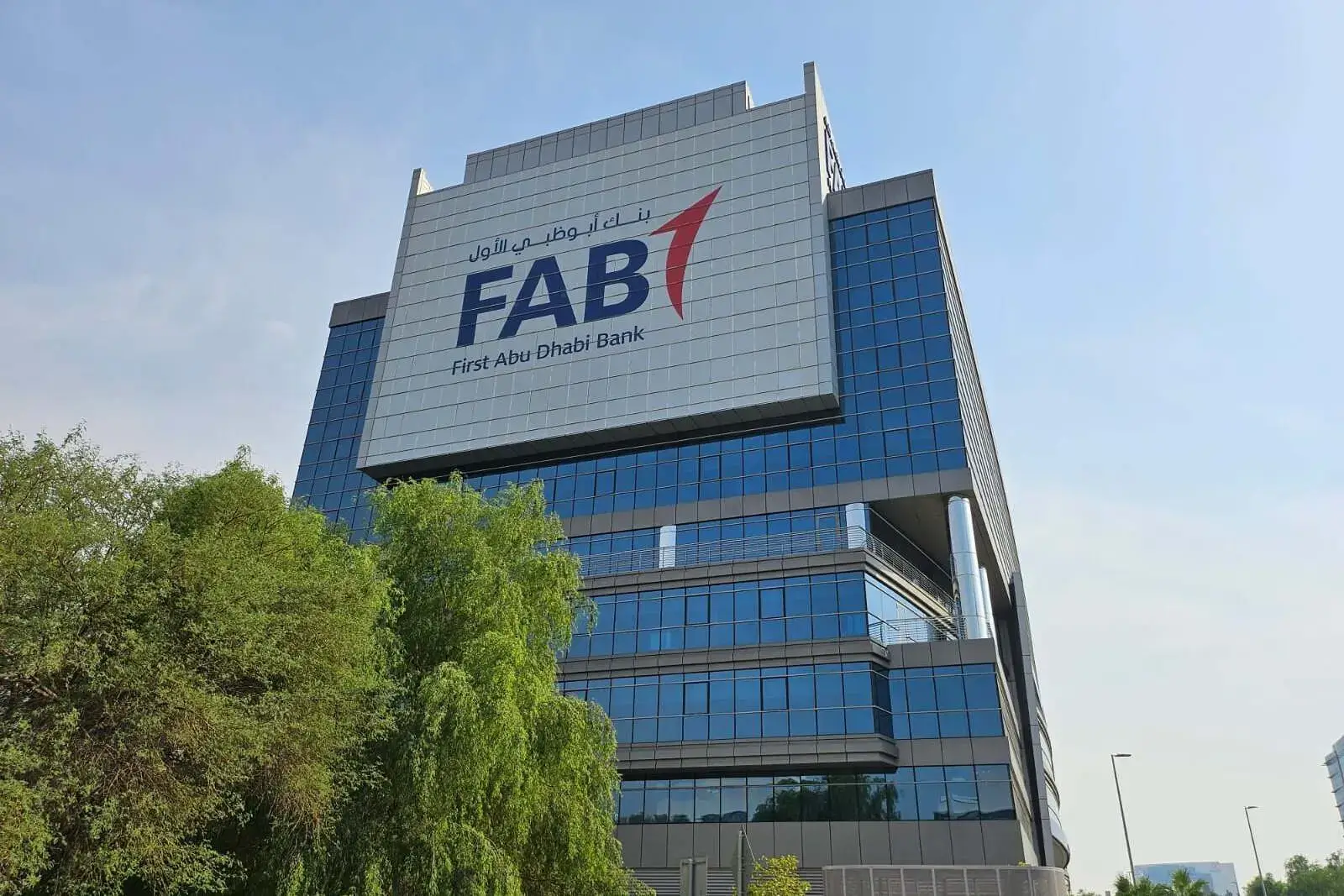
The GCC region's gross domestic product (GDP) growth is expected to double from 2.1% in 2024 to 4.2% in 2025, according to a report released Thursday by the UAE-based First Abu Dhabi Bank (FAB).
Economic growth in the UAE is projected to rise from 4.5% to 5.6% in 2025, surpassing the International Monetary Fund (IMF)'s forecast of 3.2%. Growth in the country's foreign trade performance is expected to continue into 2025.
National initiatives like the UAE's Vision 2031 and Saudi Arabia's Vision 2030 are driving growth in technology, startups, and non-oil sectors, particularly across tourism, real estate, and manufacturing, according to the report. GCC equity markets are projected to deliver returns of 12% to 13% in 2025.
FAB also attributed a large portion of the potential growth in the GCC to AI, saying that, unlike previous tech booms, AI's tangible applications are already driving deal activity and M&As. Separately, the IMF expects further AI adoption to boost the UAE's GDP by around 35% by 2030.
From a rates perspective across the GCC region, sovereign interest rates are expected to move lower in line with the US Federal Reserve over the coming quarters. FAB expects this to be of 'consequence' to the region's dollar-pegged currencies.
AI focus
"AI has become an important topic for banks, including in the GCC region, and banks have started to actively use it for marketing and client relationship management purposes," Anton Lopatin, senior director at Fitch Ratings, told Forbes Middle East.
However, Lopatin added that while AI should help banks save costs in the longer term, "we have yet to see many banks using it for underwriting and credit decisions," adding that it is still a question mark how regulators will treat the implementation of AI into banks' core activities.
Saudi rating upgrade
In November, Moody's upgraded the Saudi government's long-term local and foreign currency issuer and senior unsecured ratings to Aa3 from A1 amid expectations that the momentum in economic diversification plans will continue. This was Moody's first rating upgrade in Saudi Arabia since 2016, which contributed to FAB's high estimates for GCC economic growth.
Non-oil sector growth in 2024 helped offset the impact of OPEC+ oil production cuts on the GCC countries' economies, particularly Saudi Arabia, which was hit hardest by the production cuts, PwC Middle East said last month.
Oil market volatility has prompted a renewed emphasis on fiscal discipline, particularly in Saudi Arabia, where spending is being reprioritized toward major infrastructure projects in Riyadh aimed at boosting tourism.
Energy transition
The Middle East is expected to transcend from its traditional role as a leading oil exporter to a global hub for green energy, FAB said. Investment in renewable power generation, grids, and storage is projected to rise from $1.2 trillion in 2024 to $2.4 trillion by 2030.
Regional energy investment is expected to reach $175 billion in 2024, with clean energy comprising 15%. Strategic cooperation and public-private partnerships will be key to sustaining these goals, according to the bank's report.
This story was updated at 8:21 pm AST Arabia Thursday.
Recent Posts
Kuwait Opens Closed Doors for Real Estate Investments

NEOM- Saudi Arabia Futuristic Mega-Project in 2025