







Kuwait’s Real Estate and Investment Landscape in 2025 - The Business Year
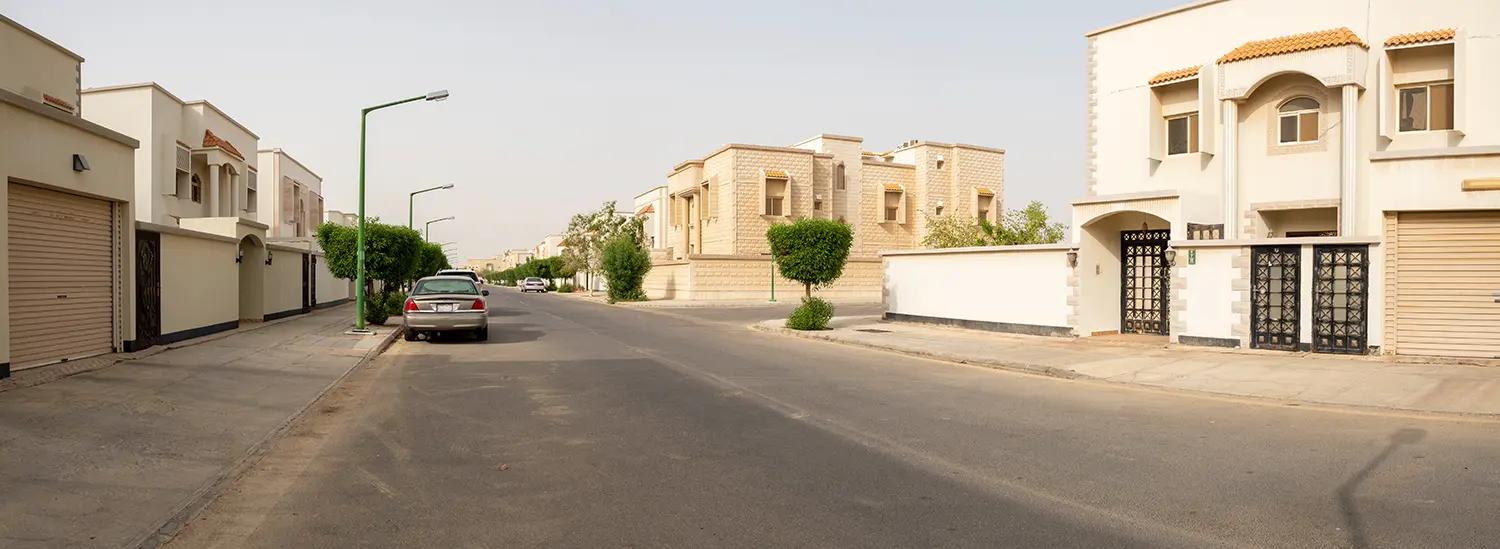
In order to enhance its real estate and investment landscape, Kuwait is implementing sweeping new regulatory reforms, much to the delight of real estate moguls and buyers alike.
Sweeping regulatory reforms are being introduced in Kuwait as part of the government's ongoing efforts to attract FDI, specifically by enhancing the country's real estate and investment landscape. The government is taking legal measures to catalog and reclaim dormant properties, ensuring better land utilization and urban development. A new mortgage law aims to boost housing finance, benefiting banks and home buyers. And, in a major shift, foreign investors are now allowed to participate in property development, opening new opportunities in real estate and infrastructure.
In 2023, the Ministry of Finance issued a directive to all ministries, calling for a comprehensive inventory of unused lands, buildings, and rented sites owned by government agencies. The mandate aims to optimize government resources by reclaiming underutilized assets for productive use, while also documenting rented facilities and their associated annual costs.
The country has also proposed a new mortgage law aimed at revitalizing the real estate sector and making property ownership more accessible to citizens. This legislation, which has been in the works for several years, represents a significant shift in the country's approach to housing finance and is expected to have far-reaching implications for both buyers and developers. Under the current framework, only the government-controlled Kuwait Credit Bank is able to provide financing for citizens and companies to buy real estate. However, 2018 set the stage for reform when Kuwait's central bank submitted a draft law on mortgage financing that would allow banks and financial institutions to offer long-term financing options to potential homeowners, with loan terms extending up to 30 years. This is a departure from the previous system, where mortgages were limited and often required substantial down payments, making home ownership out of reach for many Kuwaitis.
Another key feature of the new law is the introduction of fixed and variable interest rates, giving borrowers more flexibility in choosing a mortgage that suits their financial situation. The law also includes provisions to protect borrowers from sudden interest rate hikes, ensuring that monthly payments remain manageable, which seeks to build consumer confidence in the system and encourage additional investment. The new law would also enable banks to foreclose on defaulting borrowers-something not possible under current legislation. Such measures would minimize banks' credit risk and provide guaranteed cash inflows.
As of 2024, the proposed law is still under discussion, but industry experts are increasingly confident that it will come into effect soon. In anticipation, shares in the National Bank of Kuwait (NBK) gained nearly 19% from October 2023 to Feb 2024, while shares in the Islamic lender Kuwait Finance House rose by a similar amount over the same period. Once the law is in place, banks are expected to be able to provide mortgage loans of up to KWD140,000 (USD455,000), of which the government would pay the interest on the first KWD70,000.
In addition to these measures, a new residency law issued in November 2024 provides a modernized approach to make the country more attractive for tourists, investors, and foreign businesses. Under the new law, foreign real estate owners with valid passports are granted residence for up to 10 years, while investors are granted a 15-year residence, which can be renewed according to conditions set by the Council of Ministers. The new law also provides for visitors to the country to obtain a tourist, commercial, or family visa with a stay of up to three months, instead of the previous one-month period. Foreign investors are now also able to own 100% of their businesses in particular industries, without the need for a local partner, and investors are offered greater legal protections under the revised laws, including guarantees against expropriation and easier dispute resolution mechanisms.
"The introduction of foreign investment laws in Kuwait's property development sector is expected to have transformative effects," Abdulatif Hamed Al-Mishari, Minister of State for Municipal and Housing Affairs, told TBY. "This development will stimulate market competition, encourage the adoption of global best practices, and elevate governance standards in real estate operations. By fostering a competitive environment, the law will also open up opportunities for local SMEs, enabling them to participate actively in the real estate value chain. Moreover, this move is anticipated to facilitate the transfer of advanced technologies and expertise from foreign investors to local entities."
Indeed, the reforms are positioning the tiny nation as a more competitive market for foreign investments, especially in the non-oil sectors. The updated foreign investment laws represent a significant step toward diversifying its economy and attracting foreign capital, and the proposed mortgage law is set to transform the real estate landscape by making home ownership more attainable.
Recent Posts

Qatar- A Dynamic Landscape in 2025

Iconic Residences by Pininfarina—where prestige meets perfection!